

What Is Boarding Up?
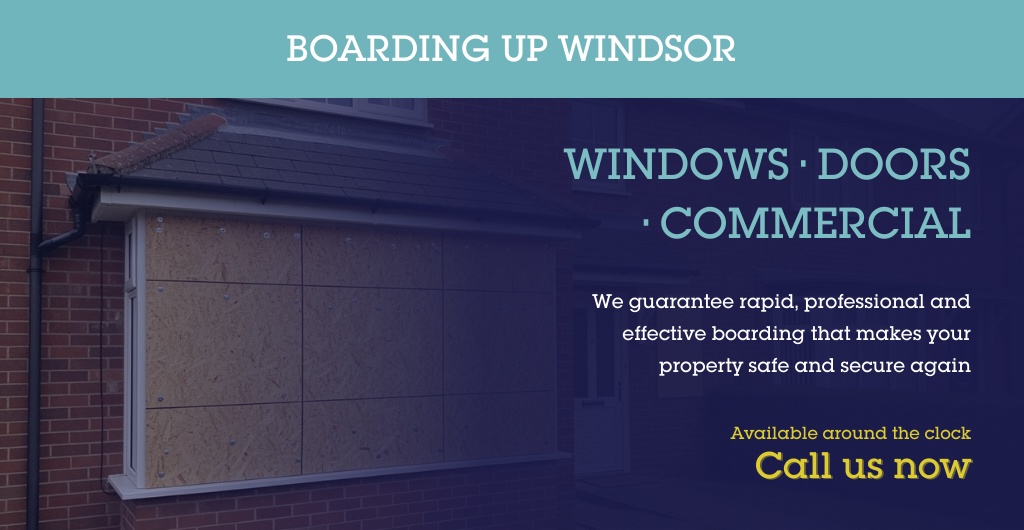
Boarding up is the process of securing a property by covering broken, missing, or vulnerable openings—typically windows, doors, shopfronts, and occasionally roofs or skylights—with strong sheet materials or steel systems. The goal is to make safe, deter further damage or unauthorised entry, and protect against weather until permanent repairs can be arranged. In Windsor and across SL4, boarding up is commonly needed after burglary, vandalism, storm impact, fire, flood, or accidental damage.
If you’re looking for immediate help, go to our emergency boarding up page or call 01753 968 594.
When Boarding Up Is Needed
Boarding up is appropriate whenever a property can’t be left secure or weather-tight. Typical triggers include:
- Smashed or cracked glazing that won’t hold safely overnight
- A forced door that won’t close or lock
- Shopfront damage out of hours
- Storm or impact damage leaving openings exposed
- Fire damage where windows have blown out or frames are charred
- Vacant properties that need temporary security
If you’re unsure whether you need boarding or a different solution, we can advise on the phone and recommend the right service—whether that’s window boarding, door boarding, shopfront boarding, or temporary steel options for longer-term protection.
What We Actually Do On Site
Every job is slightly different, but this is the practical process our technicians follow:
-
Make safe first
- Assess hazards: loose glass, unstable frames, overhead risks.
- Clear reachable loose shards from frames where safe.
- Establish a safe working area for pedestrians or staff.
-
Measure and choose materials
- Measure the opening, frame condition, and fixing points.
- Select material: typically 18mm exterior-grade plywood for doors and large windows; 12–15mm OSB may be suitable for smaller domestic openings; metal security systems for medium-term requirements.
-
Prepare boards precisely
- Cut boards to size for a close, tamper-resistant fit.
- Angle or relieve edges to sit flush against frames or brickwork.
- Seal edges or add membrane where short-term weatherproofing is a concern (especially after storms).
-
Fix securely without causing further damage
- Use anti-tamper fixings and spreader plates/washers to prevent pull-through.
- Choose fixing method based on frame condition:
- Through-frame clamping using internal bracing where possible (non-destructive to masonry).
- Through-masonry fixings where frames are too compromised.
- Temporary steel door units where a door opening must remain usable.
- For shopfronts, use multiple panels with joined battens to distribute load and resist prying.
-
Finish and document
- Check that all openings are covered, edges are tight, and no sharp hazards remain.
- Provide time-stamped photos and a work statement.
- Issue an itemised invoice suitable for insurers; see our insurance claims guide.
If the frame is too damaged for non-destructive methods, we’ll explain options before proceeding. Our aim is always to secure effectively while minimising further harm to your property.
Materials We Use And Why
- Exterior-grade plywood (often 18mm): Strong, stable, good screw-hold for doors, large windows, and commercial openings.
- OSB (12–15mm): Suitable for smaller domestic windows where weight and cost balance security needs.
- Anti-tamper fixings: Prevent removal from outside—important if the property will be unattended.
- Internal bracing/spreader plates: Reduce damage risk to frames and improve resistance to prying.
- Temporary steel doors: Allow controlled access after a forced entry while maintaining security.
- Security screens (Sitex-style): Best for vacant properties that need medium- to long-term protection.
Material choice depends on opening size, exposure to weather, access requirements, and how long the boarding will stay in place.
How Long Boarding Up Takes
Most straightforward domestic windows can be boarded within 45–90 minutes once on site. Complex shopfronts, high access, or multiple openings take longer. Attendance time varies by time of day and workload; on the phone we’ll give you a realistic ETA. We don’t guarantee specific response times, but we prioritise urgent calls and 24/7 needs. For urgent cases, visit 24/7 boarding up in Windsor.
What You’ll Get From Us
- A secure, made-to-measure boarding solution that makes safe and deters entry
- Anti-tamper fixings as standard
- Time-stamped before/after photos
- An itemised invoice and work statement for your insurer
- Clear explanations of options, especially where frames are severely damaged
- DBS-checked technicians, fully insured, with 10+ years’ trading experience in SL4
You can read more about typical scenarios on our situation pages: burglary repairs, vandalism repair, and storm damage.
Boarding Up For Different Property Types
- Residential: Rapid “make safe” after a smashed window or forced door, often needed late at night. See residential properties.
- Commercial and shopfronts: Larger spans, street exposure, and out-of-hours requirements; we can coordinate with security or facilities teams. See commercial properties.
- Vacant/void: Medium-term solutions using steel screens or temporary steel doors to secure property between tenancies or refurbishments.
What To Do If You Need Boarding Up Now
- If a crime is in progress or has just happened, call the police first and obtain a reference number.
- If safe, take clear photos of the damage and any debris before we arrive.
- Do not handle large shards or climb onto roofs—wait for trained technicians.
- Move valuables away from the damaged area and isolate the room if possible.
- Call us on 01753 968 594 for guidance and a realistic ETA.
We’ll advise whether window or door boarding, a temporary steel door, or a different approach is best. If you’re dealing with a fire or flood, we’ll secure the openings; remediation is outside our scope, but our documentation helps your claim. See fire damage and flood damage.
How Boarding Up Fits With Insurance
Most insurers expect you to take reasonable steps to prevent further damage. Boarding up demonstrates this. We provide:
- Itemised invoices
- Time-stamped photos
- Work statements describing materials and methods used
We’re not loss adjusters and can’t guarantee cover decisions, but our insurance guidance explains common requirements and how to proceed.
Safety And Compliance Considerations
- Public areas: We set up safe working zones and, where needed, coordinate with site representatives.
- Access: For upper floors or roof lights, we use suitable access methods; complex access may require a return visit once equipment is arranged.
- Weatherproofing: After storms, we add temporary membranes or seal edges to limit water ingress where appropriate.
- Fire-damaged structures: We board only where the structure is safe to work on; we may recommend a structural assessment if there are concerns.
Alternatives To Boarding Up
Boarding is a temporary measure. Depending on your needs, alternatives include:
- Temporary steel doors for controlled access after a forced entry
- Steel security screens for vacant properties
- Immediate reglazing or joinery repair via your preferred contractor
We can advise what makes sense for your situation and timeframe. For service overviews, visit all services.
Pricing: What Affects The Cost
We don’t publish fixed prices because every job varies. Costs depend on:
- Number and size of openings
- Material choice (plywood, OSB, steel door, security screens)
- Access complexity (upper floors, shopfront spans, roof/atrium)
- Out-of-hours attendance and travel within SL4
- Time on site and any additional safety measures required
See our honest breakdown on the pricing page. We’ll give a clear estimate on the phone and itemise everything on your invoice.
Frequently Asked Questions
How long should boarding stay in place?
Boarding is temporary. Many domestic situations resolve within a few days once reglazing is arranged. For vacant properties, steel screens or a temporary steel door may remain for weeks or months.
Will boarding damage my frames or brickwork?
Where possible we use internal bracing and through-frame clamping to avoid masonry fixings. If frames are too damaged, we’ll explain why alternative fixings are necessary before we proceed.
Can you board up out of hours?
Yes. We offer out of hours, 24/7 boarding up in Windsor. Attendance times vary by workload and time of day; we’ll give a realistic ETA when you call.
Do you cover my part of SL4?
We cover Windsor and surrounding SL4 areas. Check our areas we cover or view local pages like Old Windsor and Eton.
What if I need access through the boarded door?
We can install a temporary steel door with a lock so you can use the entrance while keeping the property secure. See door boarding.
Is this covered by insurance?
Often, yes—insurers commonly reimburse reasonable emergency securing. Keep your police reference (if applicable) and take photos. Our insurance page explains the typical process.
Can you help with shopfronts and larger panes?
Yes. We handle retail and commercial units, including wide spans and mullion-less glazing. Start with shopfront boarding.
What should I do before you arrive?
If safe: take photos, clear the immediate area, and keep children or customers away from glass. Do not attempt to remove large shards or access heights.
Next Steps
- Need urgent help? Call 01753 968 594 for immediate assistance.
- Planning work or comparing options? See services, our FAQs, or get local context via areas we cover.
- For emergencies tonight, go straight to 24-hour emergency boarding up in Windsor.